As a seasoned provider in the export inspection industry, I've witnessed firsthand the critical role that proper product labeling plays in international trade. In this blog, I'll delve into the essential requirements for labeling products during export inspection, drawing on my years of experience and industry knowledge.
General Labeling Requirements
One of the fundamental aspects of product labeling in export inspection is providing accurate and comprehensive information about the product. This includes details such as the product name, description, quantity, and weight. For instance, if you're exporting a batch of electronic devices, the label should clearly state the model name, specifications, and the number of units in each package. This helps customs officials and buyers quickly identify and verify the contents of the shipment.
Another crucial requirement is including the country of origin on the label. This information is vital for determining tariffs, trade agreements, and compliance with import regulations. The country of origin should be clearly and prominently displayed, and it must accurately reflect where the product was manufactured or substantially transformed.
In addition to product-specific information, labels should also bear warnings and safety instructions. For products that pose potential risks, such as chemicals, sharp objects, or electrical appliances, clear warning labels are essential to ensure the safety of handlers and end-users. These warnings should be in a language that is understood by the target market, which may require translation for international exports.
Industry-Specific Labeling Requirements
Different industries have their own unique labeling requirements, and it's important to be aware of these when preparing products for export.
Food and Beverage Industry
In the food and beverage sector, labeling requirements are particularly strict. Labels must include a list of ingredients, nutritional information, allergen warnings, and expiration dates. The ingredient list should be presented in descending order by weight, and any potential allergens, such as nuts, dairy, or gluten, must be clearly identified. Nutritional information typically includes details about calories, fat, sugar, and sodium content, and it should comply with the regulations of the importing country.
Cosmetics and Personal Care Products
For cosmetics and personal care products, labels need to provide information about the ingredients, usage instructions, and any potential side effects. In many countries, there are also specific requirements for labeling claims, such as "organic" or "natural." These claims must be substantiated by appropriate certifications and documentation.
Electronics and Electrical Equipment
Electronics and electrical equipment often require labels indicating compliance with relevant safety and environmental standards. For example, products may need to bear the CE mark in the European Union, which indicates conformity with EU health, safety, and environmental protection requirements. Additionally, labels may need to include information about power consumption, voltage requirements, and disposal instructions.


Labeling for Specific Product Inspections
Let's take a look at some specific product inspections and their associated labeling requirements.
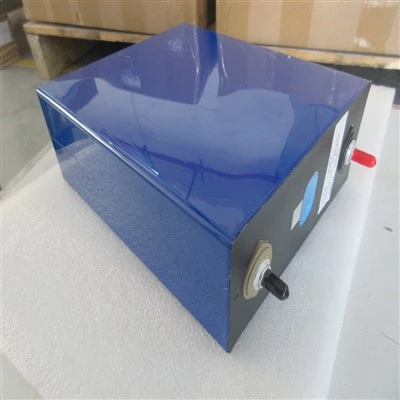
Lithium batteries are subject to strict safety regulations due to their potential fire and explosion hazards. Labels on lithium batteries must include information about the battery type, capacity, voltage, and warnings about proper handling and storage. Additionally, they may need to bear specific markings indicating compliance with international safety standards, such as UN38.3 certification.
Production Pre Shipment Inspection
During production pre-shipment inspections, labels are an important part of verifying the accuracy and quality of the products. Labels should be legible, adhesive, and resistant to damage during transit. They should also be applied correctly and consistently across all units in the shipment.
For tables, labels may need to include information about the material, dimensions, weight capacity, and assembly instructions. If the table is made from wood, for example, the label may also need to indicate the type of wood and any treatment or finishing used.
Light fixtures require labels that provide information about the light source, wattage, voltage, and color temperature. Additionally, labels may need to indicate any certifications or compliance with energy efficiency standards.
Mattress labels typically include information about the materials used, such as the type of foam or filling, and any fire retardant treatments. They may also need to provide care instructions and information about warranty and return policies.
Language and Formatting Requirements
The language used on product labels is a critical consideration in export inspection. Labels should be in the official language(s) of the importing country or a language that is commonly understood in the target market. In many cases, this may require translating the label content into multiple languages.
In addition to language, the formatting of the label is also important. Labels should be legible, with clear and distinct text and graphics. The font size should be large enough to be easily read, and the colors and contrast should be chosen to ensure visibility.
Documentation and Compliance
Proper documentation is essential for ensuring compliance with labeling requirements in export inspection. This includes maintaining records of label design, content, and any translations. It's also important to keep copies of any certifications or approvals related to the labeling, such as safety standards or environmental compliance.
In some cases, customs authorities may require additional documentation to verify the accuracy and compliance of the labels. This could include product samples, test reports, or certificates of origin. Having these documents readily available can help streamline the customs clearance process and avoid delays or penalties.
Conclusion
In conclusion, product labeling is a crucial aspect of export inspection that requires careful attention to detail and compliance with various regulations. As an export inspection provider, I understand the importance of ensuring that products are labeled correctly to meet the requirements of international markets. By providing accurate and comprehensive information on product labels, we can help our clients avoid costly delays, customs issues, and potential legal liabilities.
If you're involved in international trade and need assistance with product labeling and export inspection, I encourage you to reach out for a consultation. Our team of experts is here to help you navigate the complex world of export regulations and ensure that your products meet the highest standards of quality and compliance.
References
- International Chamber of Commerce. (n.d.). Incoterms.
- World Trade Organization. (n.d.). Trade Facilitation Agreement.
- Customs authorities of various countries. (n.d.). Import regulations and tariff schedules.