Final quality control (FQC) is a crucial step in the manufacturing process that significantly impacts product safety. As a final quality control supplier, I have witnessed firsthand how meticulous FQC procedures can prevent unsafe products from reaching consumers. This blog post will explore how final quality control affects product safety, highlighting its importance through various product inspections and tests.
The Role of Final Quality Control in Product Safety
Final quality control is the last line of defense before products are released into the market. It involves a comprehensive assessment of finished products to ensure they meet all specified quality and safety standards. By conducting thorough inspections, we can identify and rectify any potential safety hazards that may have been overlooked during earlier stages of production.
One of the primary ways FQC impacts product safety is by verifying compliance with industry regulations and standards. Different products are subject to various safety regulations, which are designed to protect consumers from harm. For example, electrical appliances must comply with safety standards set by international organizations such as the International Electrotechnical Commission (IEC) to prevent electrical shocks, fires, and other hazards. As an FQC supplier, we are well-versed in these regulations and use them as a benchmark to evaluate the safety of products.


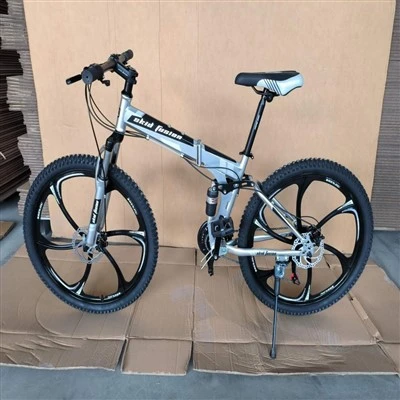
In addition to regulatory compliance, FQC also focuses on the overall functionality and reliability of products. A product may meet all regulatory requirements but still pose a safety risk if it malfunctions or fails prematurely. Therefore, we conduct a series of functional tests to ensure that products perform as intended under normal and abnormal conditions. For instance, when inspecting bicycles, we test the brakes, gears, and steering to make sure they are working properly and can withstand the rigors of daily use.
Types of Final Quality Control Inspections
There are several types of FQC inspections that can be tailored to the specific needs of different products. Some of the most common inspections include:
Visual Inspection
Visual inspection is the most basic form of FQC and involves a thorough examination of the product's appearance. We check for any visible defects, such as scratches, dents, cracks, or uneven surfaces, which could indicate underlying structural issues or affect the product's functionality. For example, a cracked plastic casing on an alarm clock could potentially expose the internal components to damage or pose a safety risk if it shatters.
Dimensional Inspection
Dimensional inspection ensures that the product meets the specified size and shape requirements. This is particularly important for products that need to fit together with other components or parts. For example, in the case of a scooter, the wheels, frame, and handlebars must be of the correct dimensions to ensure proper assembly and safe operation.
Functional Inspection
Functional inspection involves testing the product's performance to ensure that it functions as intended. This may include testing the product's electrical, mechanical, or chemical properties, depending on its nature. For example, when inspecting lawn mowers, we test the engine, cutting blades, and safety features to ensure they are working properly.
Safety Inspection
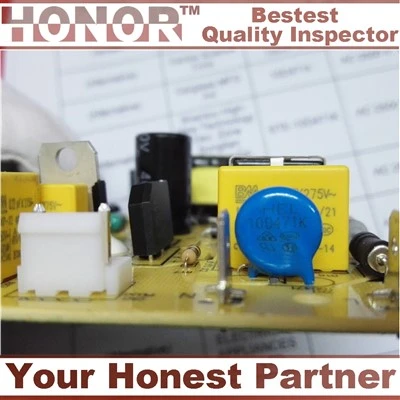
Safety inspection is a critical component of FQC and focuses on identifying and eliminating any potential safety hazards. This may include testing for electrical safety, mechanical safety, fire safety, and chemical safety. For example, when inspecting electrical appliances, we test for proper grounding, insulation resistance, and protection against electric shock.
Case Studies: How FQC Prevents Safety Hazards
To illustrate the importance of FQC in ensuring product safety, let's look at some real-life case studies.
Case Study 1: Bicycle Inspection
A leading bicycle manufacturer was preparing to launch a new model of mountain bike. As their FQC supplier, we conducted a comprehensive inspection of the bikes before they were shipped to retailers. During the visual inspection, we noticed that some of the bikes had loose bolts on the handlebars and seats. Further testing revealed that the bolts were not properly tightened during the assembly process, which could have caused the handlebars or seats to become detached while the bike was in use, posing a serious safety risk to the rider. We immediately notified the manufacturer, who took corrective action by retightening the bolts and implementing a new quality control procedure to prevent similar issues from occurring in the future.
Case Study 2: Lawn Mower Inspection
A client had just received a large shipment of lawn mowers from a supplier in Asia. They requested our FQC services to ensure that the lawn mowers were safe and compliant with all relevant standards. During the functional inspection, we discovered that some of the lawn mowers had a problem with the ignition system. The spark plugs were not firing properly, which could have caused the engine to stall or fail to start. This not only posed a safety risk to the user but also affected the performance and reliability of the lawn mowers. We provided the client with a detailed report of our findings, and they were able to work with the supplier to resolve the issue before the lawn mowers were sold to consumers.
Case Study 3: Alarm Clock Test
A consumer electronics company was planning to introduce a new line of alarm clocks to the market. As part of their FQC process, we conducted a series of tests on the alarm clocks to ensure they met all safety and performance requirements. During the electrical safety test, we found that some of the alarm clocks had a faulty power supply that could have caused an electrical shock or fire. We recommended that the company recall the affected alarm clocks and make the necessary repairs to ensure the safety of their customers.
The Benefits of Working with an FQC Supplier
Partnering with a professional FQC supplier can provide numerous benefits for manufacturers, including:
Expertise and Experience
FQC suppliers have the knowledge and experience to conduct comprehensive inspections and tests using the latest tools and techniques. They are familiar with industry regulations and standards and can ensure that products meet all safety requirements.
Cost Savings
By identifying and rectifying potential safety hazards early in the production process, FQC can help manufacturers avoid costly recalls, lawsuits, and damage to their reputation. It also helps to reduce the risk of product returns and customer complaints, which can save time and money in the long run.
Improved Product Quality
FQC can help manufacturers identify and address any quality issues before products are released into the market. This can lead to improved product quality, which can increase customer satisfaction and loyalty.
Peace of Mind
Working with an FQC supplier gives manufacturers peace of mind knowing that their products are safe and of high quality. It allows them to focus on other aspects of their business, such as marketing and sales, without having to worry about product safety issues.
Conclusion
Final quality control plays a vital role in ensuring product safety. By conducting thorough inspections and tests, FQC suppliers can identify and eliminate potential safety hazards, ensuring that products meet all regulatory requirements and perform as intended. Whether it's inspecting bicycles, lawn mowers, alarm clocks, or electrical appliances, FQC is an essential step in the manufacturing process that cannot be overlooked.
If you are a manufacturer looking to ensure the safety and quality of your products, I encourage you to consider partnering with an experienced FQC supplier. Working together, we can help you prevent safety hazards, improve product quality, and protect your reputation in the marketplace. Contact me today to learn more about our final quality control services and how we can help you achieve your quality and safety goals.
References
- International Electrotechnical Commission (IEC). (n.d.). Electrical safety standards.
- ASTM International. (n.d.). Standards for various products.
- Consumer Product Safety Commission (CPSC). (n.d.). Product safety regulations.