Handling non-conformities found during in-process inspection is a crucial aspect of maintaining product quality and customer satisfaction. As an in-process inspection supplier, I've encountered various non-conformities across different product types, from showers to lithium batteries. In this blog, I'll share some practical strategies on how to deal with these issues effectively.

Understanding Non-Conformities
First off, let's get on the same page about what non-conformities are. In in-process inspection, non-conformities are deviations from the pre-established quality standards or specifications. They can show up in different forms, like a showerhead not spraying water evenly, a light bulb flickering, a table having uneven legs, or a lithium battery not holding a charge.
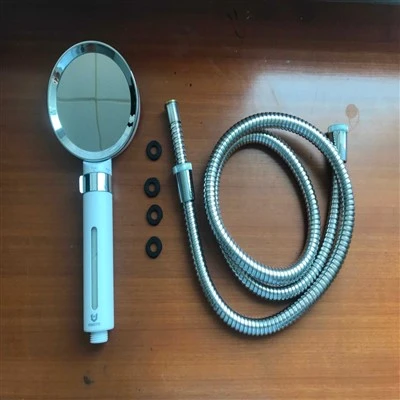
During our Shower Inspection, for instance, we might find that the water pressure is lower than the specified range or the finish on the showerhead has scratches. Similarly, in Light Inspection, non-conformities could include the wrong color temperature or a short circuit in the wiring.
Identifying the Root Cause
Once a non-conformity is detected, the next step is to figure out why it happened. This is super important because just fixing the surface issue won't prevent it from occurring again. There are several tools and techniques we can use for root cause analysis, such as the 5 Whys method.
Let's say we're doing a Table Inspection and find that a table top is warped. We start asking: "Why is the table top warped?" The answer might be, "Because the wood was exposed to high humidity during storage." Then we ask, "Why was the wood exposed to high humidity?" Maybe it's because the storage area doesn't have proper ventilation. By repeating this process of asking "why," we can get to the root cause, which in this case could be a lack of a humidity control system in the storage facility.
Documenting Everything
Documentation is key when dealing with non-conformities. Every single finding should be recorded, including details like the date, time, location of the inspection, the specific product, and the nature of the non-conformity. This documentation serves as a valuable reference for future inspections and quality improvement initiatives.
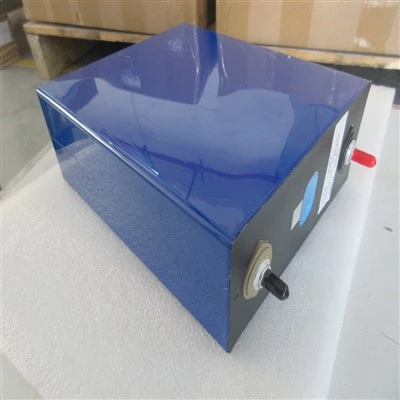
For each non-conformity, we should also note down the steps taken to address it. Let's say we're carrying out Lithium Battery Inspection and find that some batteries have a lower capacity than expected. We document the batch number, the test results, and the actions we took, like recharging the batteries or sending them back to the manufacturer for further analysis.
Communicating with Stakeholders
Effective communication is essential in handling non-conformities. We need to let the relevant stakeholders, such as the production team, the quality control department, and the management, know about the issues we've found. This ensures that everyone is on the same page and can work together to find solutions.
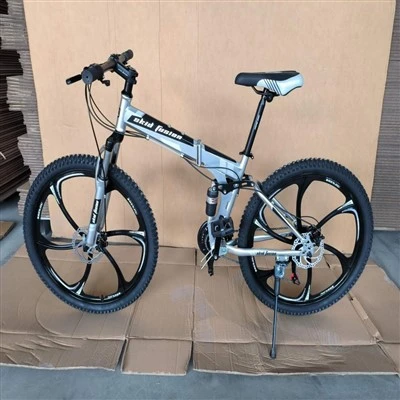
When communicating non-conformities, we should be clear and concise. Instead of using technical jargon that might be confusing, we should explain the problems in simple terms. For example, if we're doing a Bicycle Inspection and find that the brakes are not functioning properly, we can say something like, "The brakes on some of the bicycles aren't stopping the bike as quickly as they should. This could be a safety hazard for the users."
Taking Corrective and Preventive Actions
Once we've identified the root cause and communicated the non-conformities, it's time to take action. Corrective actions are aimed at fixing the immediate problem, while preventive actions are designed to stop similar issues from happening in the future.
In the case of the warped table we mentioned earlier, the corrective action could be to replace the warped table top. The preventive action, on the other hand, could be to install a dehumidifier in the storage area or improve the ventilation system.
For the lithium batteries with low capacity, the corrective action might be to replace the faulty batteries. The preventive action could involve tightening the quality control measures during the battery manufacturing process, such as increasing the number of quality checks or improving the testing equipment.
Monitoring and Follow-Up
After implementing corrective and preventive actions, we need to monitor the situation to make sure the problems don't come back. This could involve conducting additional inspections or tests to verify the effectiveness of the actions taken.
Let's say we've implemented a new humidity control system in the table storage area. We can regularly check the humidity levels in the area and inspect new tables to see if the warping problem has been resolved. If the non-conformities continue to occur, we may need to reevaluate our actions and make further adjustments.
Continuous Improvement
Handling non-conformities is not just about fixing problems; it's also about learning from them and making continuous improvements. We can use the data we've collected from non-conformity reports to identify trends and areas for improvement.
For example, if we notice that a particular type of non-conformity keeps occurring in a specific product line, we can conduct a more in-depth analysis to find out why. We can then implement changes to the production process, the quality control procedures, or the supplier selection criteria to prevent similar issues from happening in the future.
Contact Us for In-Process Inspection Services
If you're a manufacturer looking to ensure the quality of your products during the production process, I'd love to talk to you. Handling non-conformities is what we do best, and I'm confident that our in-process inspection services can help you improve your product quality, reduce costs, and increase customer satisfaction. Get in touch with your procurement team to start a conversation about how we can work together.
References
- Deming, W. E. (1986). Out of the Crisis. Massachusetts Institute of Technology, Center for Advanced Engineering Study.
- Juran, J. M., & Godfrey, A. B. (eds.). (1999). Juran's Quality Handbook (5th ed.). New York: McGraw-Hill.
- Ishikawa, K. (1985). What is Total Quality Control? The Japanese Way. Englewood Cliffs, NJ: Prentice-Hall.