In the world of business, quality assurance (QA) checks are like the unsung heroes. They're supposed to make sure that the products or services we offer meet the standards we've set. But here's the thing: sometimes, QA checks turn into a bureaucratic nightmare. As a quality assurance check supplier, I've seen this happen way too often. So, let's talk about how we can prevent QA checks from becoming a bureaucratic process.
Understanding the Problem
First off, what do I mean by QA checks turning bureaucratic? Well, it's when the QA process becomes so bogged down in red - tape, paperwork, and unnecessary rules that it loses sight of its main goal: ensuring quality. Instead of focusing on whether a product is good or not, we end up spending hours filling out forms, getting approvals, and following procedures for the sake of following them.
One of the main reasons for this is that over time, organizations add more and more rules to the QA process. They do this to cover all possible scenarios, but it often leads to a complex web of regulations that's difficult to navigate. Another factor is the fear of making mistakes. When people are worried about getting in trouble, they tend to over - document and follow every step to the letter, even if it doesn't really contribute to quality.
Be Clear on Your Goals
The first step in preventing QA checks from becoming bureaucratic is to be crystal clear about your goals. What do you really want to achieve with the QA process? Is it to catch defects in products, ensure compliance with industry standards, or something else? Once you have a clear goal, you can design your QA process around it.
For example, if you're a toy manufacturer, your goal might be to ensure that all toys are safe for children. Your QA process should then focus on things like safety testing, material quality checks, and proper labeling. You can use Toy Inspection services to help you with this. By having a clear goal, you can avoid adding unnecessary steps to the QA process.
Simplify Your Processes
Complex processes are a breeding ground for bureaucracy. So, take a good look at your QA process and see where you can simplify. Are there any steps that are redundant or that don't really add value? If so, get rid of them.
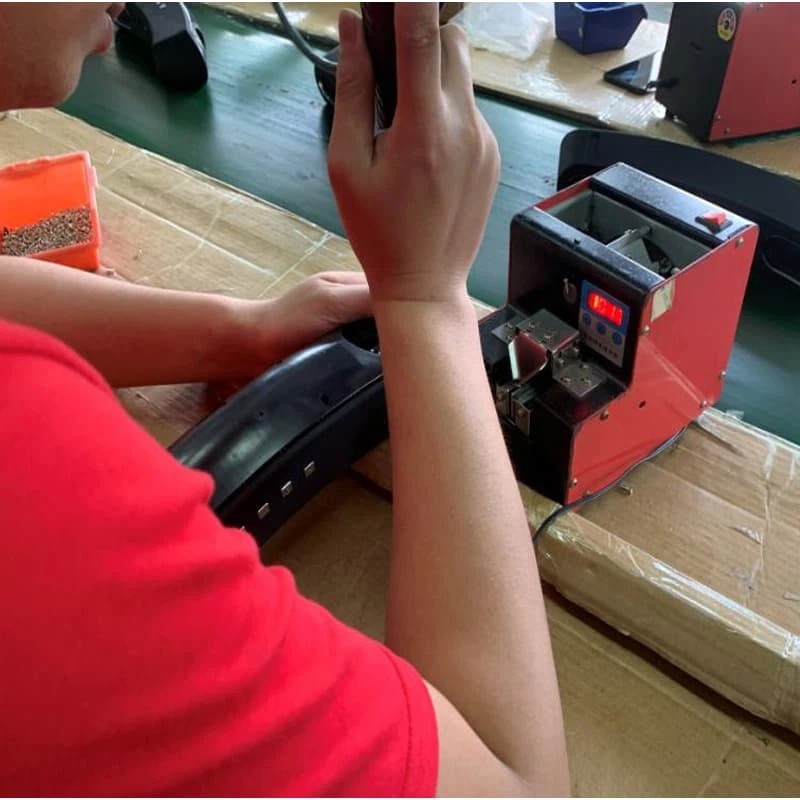

For instance, if you're doing a Production Full Inspection, you might have a step where you check the same item in multiple ways. This could be simplified by focusing on the most critical aspects of the product. Maybe you could use statistical sampling methods to reduce the amount of inspection work without sacrificing quality.
Train Your Team Well
Your team is the key to a smooth - running QA process. Make sure they understand the goals of the QA process and how their work contributes to it. Provide them with the necessary training so that they can do their jobs effectively.
When your team is well - trained, they're more likely to make informed decisions and follow the most efficient procedures. For example, if you're doing Laptop Inspection, your inspectors should know exactly what to look for, how to test the components, and how to report their findings. Training can also help reduce the need for excessive supervision and paperwork.
Embrace Technology
Technology can be a game - changer when it comes to streamlining QA processes. There are all sorts of tools available that can help you automate tasks, collect data more efficiently, and make better decisions.
For example, you can use software to track inspections, generate reports, and analyze data. This can save a lot of time and reduce the risk of human error. You can also use sensors and other IoT devices to monitor products in real - time during the production process. This way, you can catch problems early and take corrective action before they become bigger issues.
Encourage Communication
Good communication is essential in preventing bureaucracy in QA. Encourage your team members to communicate openly with each other. They should feel comfortable sharing ideas, raising concerns, and reporting problems.
If an inspector discovers a potential issue during a Container Loading Supervision, they should be able to communicate it immediately to the relevant parties. This way, the issue can be addressed quickly, without going through a long chain of approvals.
Use Risk - Based Approach
Not all products or processes carry the same level of risk. By using a risk - based approach, you can focus your QA efforts on the areas that matter the most.
For example, if you're doing an In - process Inspection, you can identify the high - risk steps in the production process and allocate more resources to inspecting them. This way, you can avoid wasting time on low - risk areas and ensure that your QA process is more efficient.
Continuously Improve
The QA process is not something that you set and forget. You need to continuously evaluate and improve it. Regularly review your QA procedures, collect feedback from your team and customers, and make changes as needed.
If you notice that a particular step in the QA process is causing delays or is ineffective, don't be afraid to make adjustments. By continuously improving your QA process, you can keep it from becoming a bureaucratic mess.
Conclusion
Preventing quality assurance checks from becoming a bureaucratic process is all about having a clear focus, simplifying processes, training your team, embracing technology, encouraging communication, using a risk - based approach, and continuously improving. As a quality assurance check supplier, I know that a well - functioning QA process is crucial for the success of any business.
If you're a procurement professional looking for reliable quality assurance services, I'd love to have a chat with you. We can discuss how we can tailor our QA solutions to meet your specific needs and ensure that your products or services are of the highest quality. Reach out and let's start a conversation about how we can work together to make your QA process more efficient and effective.
References
- Fisher, J. (2018). Streamlining Quality Assurance in Manufacturing. Industry Insights Journal.
- Patel, S. (2020). The Role of Technology in Modern Quality Assurance. Quality Management Review.
- Brown, L. (2021). Risk - Based Quality Assurance Strategies. Business Operations Magazine.