As a seasoned provider in the field of material inspection, I understand the paramount importance of safety precautions during the inspection process. Ensuring the well - being of inspectors and the accuracy of results is a responsibility we take very seriously. In this blog, I will delve into the key safety precautions that should be observed during material inspection.
Personal Protective Equipment (PPE)
One of the most fundamental safety measures in material inspection is the proper use of personal protective equipment. Depending on the nature of the materials being inspected, different types of PPE are required.
For instance, when inspecting materials that may produce dust or fine particles, such as in a metal - working or wood - processing environment, inspectors should wear dust masks. These masks are designed to filter out harmful particulate matter, preventing inhalation and potential respiratory problems. In more hazardous environments where there is a risk of exposure to toxic chemicals or fumes, respirators with appropriate cartridges should be used.
Eye protection is also crucial. In many industrial settings, there is a risk of objects flying into the eyes, such as when inspecting materials that are being cut or machined. Safety glasses or goggles with side shields can provide protection against such hazards. Additionally, if there is a risk of exposure to corrosive chemicals, chemical - resistant goggles should be worn.
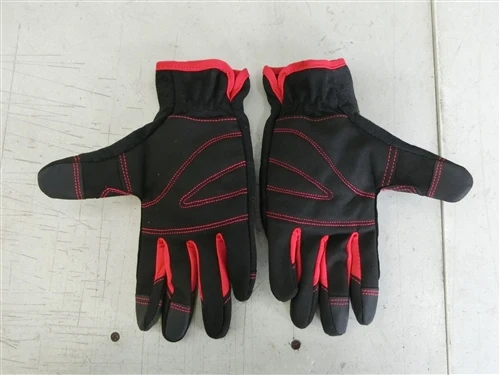
Gloves are another essential piece of PPE. Different materials require different types of gloves. When handling sharp objects like knives during a Knife Inspection, cut - resistant gloves can prevent cuts and lacerations. For inspections involving chemicals, chemical - resistant gloves are necessary to protect the skin from contact with harmful substances.
Workplace Safety
The inspection area itself must be a safe environment. This includes proper housekeeping, ensuring that the area is clean and free of tripping hazards. Tools and equipment should be stored in designated areas when not in use to prevent clutter.
Good lighting is essential in the inspection area. Inspectors need to clearly see the materials they are inspecting, and poor lighting can lead to inaccurate inspections and potential accidents. Adequate ventilation is also important, especially when dealing with materials that emit fumes or odors. Proper ventilation helps to remove these harmful substances from the air, reducing the risk of respiratory problems for the inspectors.
In addition, the inspection area should be well - marked. Hazardous areas, such as areas where there are moving machinery or high - voltage equipment, should be clearly identified with warning signs. This helps to prevent inspectors from accidentally entering these dangerous areas.
Equipment Safety
The equipment used in material inspection must be properly maintained and in good working condition. Before each use, inspectors should conduct a pre - use inspection of the equipment. For example, if using a measuring instrument, they should check for any damage or malfunction. If the equipment is found to be faulty, it should not be used and should be reported for repair or replacement.
Electrical equipment used in the inspection process should be properly grounded to prevent electrical shocks. Inspectors should also be trained on the correct use of electrical equipment, including how to plug and unplug it safely.
When using power tools, such as drills or saws, inspectors should follow the manufacturer's instructions carefully. They should wear appropriate PPE, such as safety glasses and gloves, and ensure that the tools are properly secured before use.


Chemical Safety
When inspecting materials that contain chemicals or when using chemicals in the inspection process, strict safety precautions must be followed. Chemicals should be stored in proper containers and in a well - ventilated area. Labels on chemical containers should be clear and accurate, indicating the name of the chemical, its hazards, and any safety precautions.
Inspectors should be trained on the proper handling of chemicals. This includes how to measure and mix chemicals safely, as well as how to dispose of any chemical waste. In case of a chemical spill, there should be an emergency response plan in place. Inspectors should know how to contain the spill and clean it up safely using appropriate spill - response materials.
Hazardous Material Handling
During the inspection of hazardous materials, special procedures must be followed. For example, when inspecting radioactive materials, inspectors should use radiation - detecting equipment and wear appropriate radiation - protective clothing. They should also limit their exposure time to these materials as much as possible.
In the case of biological materials, such as those in the pharmaceutical or food industries, inspectors should follow strict hygiene and safety protocols. This includes wearing gloves, masks, and gowns, and working in a sterile environment to prevent contamination.
Fire Safety
Fire safety is an important consideration during material inspection. The inspection area should be equipped with fire extinguishers, and inspectors should be trained on how to use them. Flammable materials should be stored in a separate and well - ventilated area away from sources of ignition.
Good housekeeping also plays a role in fire safety. Keeping the inspection area clean and free of waste materials can reduce the risk of fire. In addition, inspectors should be aware of the location of fire exits and should have a clear path to them in case of an emergency.
Training and Education
Proper training and education are essential for ensuring the safety of inspectors. All inspectors should receive comprehensive training on safety procedures before starting work. This training should include information on the proper use of PPE, equipment safety, chemical safety, and emergency response procedures.
Regular refresher courses should be provided to keep inspectors up - to - date on the latest safety practices. In addition, inspectors should be encouraged to report any safety concerns or near - misses to their supervisors.
Emergency Response
An effective emergency response plan is crucial in case of an accident or incident during material inspection. This plan should include procedures for dealing with fires, chemical spills, injuries, and other emergencies.
Inspectors should be familiar with the emergency response plan and know how to activate the emergency alarm system. There should also be a first - aid station in the inspection area, and some inspectors should be trained in first - aid procedures to provide immediate medical assistance in case of an injury.
Risk Assessment
Before starting any material inspection, a risk assessment should be conducted. This involves identifying potential hazards associated with the materials, the inspection process, and the workplace. Once the hazards are identified, appropriate control measures can be put in place to minimize the risk.
For example, if the inspection involves working at heights, such as inspecting large machinery or structures, a risk assessment should be done to determine the appropriate safety measures, such as the use of scaffolding or safety harnesses.
Quality Control and Accuracy
Safety precautions also contribute to the accuracy and quality of the inspection results. When inspectors feel safe and are following proper safety procedures, they are more likely to focus on the task at hand and produce accurate results.
For example, in a Toy Inspection, if the inspector is properly protected from any potential small parts or sharp edges of the toys, they can conduct a more thorough and accurate inspection. Similarly, in a Washing Machine Inspection, safety measures such as proper electrical grounding and the use of insulated tools ensure that the inspector can safely examine the electrical components, leading to more reliable inspection results.
In - process Inspection Safety
During In - process Inspection, where materials are inspected at various stages of production, safety precautions are equally important. Inspectors may need to work around moving machinery or in areas with high - pressure systems. They should be trained on how to safely access these areas and conduct inspections without interfering with the production process.
Fan Inspection Safety
When conducting a Fan Inspection, inspectors need to be aware of the rotating blades and the electrical components. They should ensure that the fan is turned off and locked out before starting the inspection to prevent any accidental start - up.
Building Strong Partnerships
We understand that safety is not just about protecting our inspectors but also about ensuring that our clients receive high - quality inspection services. By adhering to strict safety precautions, we can build trust and long - term partnerships with our clients.
If you are in need of reliable material inspection services, we are here to help. Our team of experienced inspectors is well - trained in safety procedures and has a deep understanding of various inspection requirements. We invite you to contact us to discuss your inspection needs and how we can assist you in ensuring the safety and quality of your materials.
References
- Occupational Safety and Health Administration (OSHA) Guidelines
- International Organization for Standardization (ISO) Standards on Material Inspection and Safety
- Industry - specific safety manuals and best - practice documents