If you're a business owner-whether you're overseeing a small retail brand, a mid-sized manufacturer, or an import/export operation-chances are you've heard the term "quality assurance" thrown around a lot. Maybe you've written it off as just another corporate buzzword, something big companies do to make their teams look busy. But let's cut the B.S.: regular quality assurance (QA) checks aren't a luxury. They're the backbone of keeping your customers happy, your costs under control, and your business from turning into a headline for all the wrong reasons.
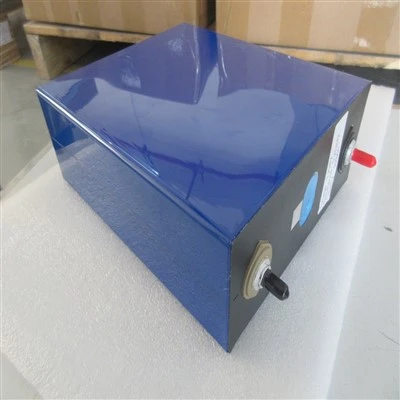
I run a QA check provider, and I've seen firsthand what happens when businesses skip these checks. Last year, a client imported 10,000 lithium batteries for their line of portable chargers-they didn't get a third-party check, so they went straight to their warehouse. A week later, a unit caught fire on a store shelf; the root cause? A faulty weld on the battery's internal terminal. That mistake cost them $200k in product recalls, plus their reputation took a hit with customers who'd trusted their brand. That's the kind of hit a single missed QA check can deal.
But let's get specific. What actually are the benefits of doing these checks regularly, not just once when a new shipment arrives? Let's break it down like we're chatting over coffee, no stuffy jargon.
First off, regular QA checks stop costly mistakes before they spiral. Think about it: if you're manufacturing or importing products, every step of the process has a chance to go off the rails. A factory might cut corners on materials, a packaging line might mix up sizes, a shipping company might mishandle inventory mid-transit. If you only check once, you might catch a problem… but only after 5,000 faulty units are already made or in transit. But if you do regular QA checks-say, a pre-production check to confirm materials are up to snuff, an in-process check to spot assembly errors, and a final pre-shipment check to seal the deal-you're nipping issues in the bud.
Take lithium batteries, for example. These are super high-stakes because a flaw can lead to fires, leaks, or even explosions. If you're importing lithium batteries, you can't just take the manufacturer's word for it. A third-party check like Lithium Battery Inspection will test for things like internal cell defects, proper labeling for hazardous materials, and battery capacity. Do that every time a new shipment comes in, and you avoid that $200k recall I mentioned earlier. It's way cheaper to fix a small batch of faulty units than to replace thousands of them or deal with legal fees from customer injuries.
Another big benefit: regular QA builds trust with your customers. In today's world, word travels fast. A bad product review on Amazon, a viral TikTok of a broken product, or a complaint on social media can tank your sales. When you consistently deliver products that work as advertised, customers notice. They'll come back, they'll tell their friends, and they'll be more forgiving if you ever do have a tiny hiccup (because they know you care about quality). On the flip side, if you're cutting corners, that trust is gone in a heartbeat. I've seen a shoe brand lose 30% of their repeat customers after a batch of shoes fell apart within a month of purchase-all because they skipped a QA check on the stitching and sole adhesion.
Then there's supply chain efficiency. Let's say you're importing goods from overseas, and you do a Container Loading Supervision before the container closes. Regular checks here mean you can confirm that products are being loaded correctly, no damage from stacking heavy items on top, no missing pieces. If you skip this, you might get a container full of broken tiles or dented headphones, and by the time you notice, the ship's already sailed. That delays your inventory, makes you miss sales deadlines, and leaves you scrambling to reorder-all while paying extra storage fees for the messed-up container. Regular QA cuts down on those delays because you're catching issues before they leave the port.
Wait, let's talk about product liability, too. This is a huge one that a lot of small business owners overlook. If a defective product hurts someone, you could be on the hook for lawsuits, medical bills, and settlements. Regular QA checks-especially for products that interact with people, like tires or electronics-help you prove you took reasonable steps to ensure safety. For example, Tire Inspection checks for tread depth, proper inflation, and manufacturing defects. If you're selling tires that blow out because of a faulty belt, a court will look at whether you had regular QA checks to verify quality. Having that paper trail of consistent checks can be the difference between a minor fine and a major lawsuit that puts you out of business.
I also see businesses use regular QA to spot hidden opportunities. Yeah, you read that right. When you're checking products consistently, you start to notice patterns. Like, maybe a tile manufacturer's Tile Inspection keeps finding inconsistencies in glaze color, not just for your order but for every order. That's a chance to talk to the manufacturer and fix their process, so both you and them have fewer mistakes down the line. Or maybe with headphones-Headphone Inspection might reveal that a certain batch has faulty audio jacks, which means you can work with your supplier to switch to a better part before more shipments come in. Those insights help you improve your whole supply chain, not just the products you're buying.
Now, let's get real: I know some business owners think "QA is a waste of money." But let's do the math. Let's say a QA check for a $50k shipment costs $1,500. If that check catches a $10k batch of faulty products, that's a $8,500 profit right there. If you don't do the check and the faulty products make it to customers, you're looking at $10k in returns, plus shipping costs for replacements, plus the damage to your brand. That's way more than $1,500. It's not a cost-it's an investment. And for small businesses, that investment is even more important because you don't have big profit margins to absorb mistakes.
Another point: regular QA keeps your inventory from sitting in limbo. When you're importing products, time is money. A container full of faulty goods is dead money, tied up in warehouse space and waiting to be sent back. Regular checks mean you can get products cleared faster, get them to market quicker, and start making sales instead of losses. I worked with a fashion accessory brand that used to wait 2 weeks to get their products off the port because they had to sort through faulty items after delivery. After they started doing regular pre-shipment QA, they cut that wait time in half and increased their monthly sales by 20% because they could restock faster.
Wait, let's address a common myth: "I can just check a sample, right?" Yeah, sample checks are good, but they're not enough. If you do a random sample once a quarter, you might miss a batch of bad products that the sample didn't catch. Regular QA checks-even if they're for smaller batches, or more frequent samples-reduce that risk. It's like wearing a seatbelt every time you drive, not just when you take a long road trip. It's consistent protection, not a one-time thing.
And let's not forget about international regulations. Different countries have different rules for product safety. For example, if you're importing toys to the EU, they have strict standards for lead content. If you don't check regularly, you might have products seized at customs, which means you lose the shipment, pay fees, and delay your business. Regular QA checks ensure you're meeting those rules the first time, so you don't run into customs issues.
At the end of the day, I see QA as a partnership, not a service. I don't just show up, check a box, and leave. I work with businesses to figure out which checks make sense for their products and their budget. Whether you're dealing with batteries, containers, tires, tiles, or headphones, there's a regular QA schedule that fits.
So, if you're still on the fence about regular quality assurance checks, let me ask you: what's your business's worst-case scenario if a faulty product gets through? Is it a few thousand dollars in returns? Or is it a lawsuit, a damaged reputation, and being forced to close your doors? For most businesses, that worst case is avoidable with consistent, regular QA.
If you're ready to stop taking chances with your products, your customers, and your bottom line, it's time to connect with us. We tailor our checks to your specific needs, so you don't have to overpay for services you don't need. Let's chat about how regular quality assurance can work for your business. Reach out today to start the conversation about what checks make sense for your products.
References


- Global Organization for Standardization (ISO) 9001:2015 Quality Management Systems Requirements.
- U.S. Consumer Product Safety Commission (CPSC) Product Recall Report 2023.
- Import/export Supply Chain Efficiency: A 2024 Industry Report.
- Journal of Product Quality Management: Benefits of Third-Party Quality Inspections for Small Businesses.