Hey there! I'm a supplier in the product inspection business, and today I want to chat with you about how to conduct product inspection in a cost - effective way.
Let's start by understanding why cost - effective product inspection is so crucial. In today's competitive market, businesses are always looking for ways to cut costs without sacrificing quality. Product inspection is no exception. If you can find a way to inspect your products efficiently and at a lower cost, you'll have a significant edge over your competitors.
1. Define Your Inspection Needs Clearly
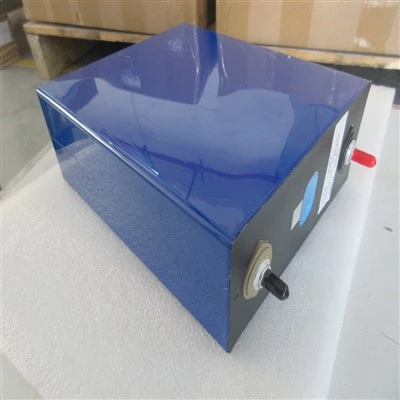
The first step in cost - effective product inspection is to know exactly what you need to inspect. This means understanding the specifications of your products, the industry standards they need to meet, and the potential risks associated with them. For example, if you're dealing with Lithium Battery Inspection, you need to be aware of safety regulations, battery performance requirements, and potential fire hazards.
By clearly defining your inspection needs, you can avoid over - inspecting or under - inspecting your products. Over - inspection can lead to unnecessary costs, while under - inspection can result in defective products reaching the market, which can be even more costly in the long run.
2. Choose the Right Inspection Method
There are several inspection methods available, and choosing the right one can make a big difference in terms of cost.
- Sampling Inspection: This is a popular method where you inspect a representative sample of your products instead of every single item. It's a cost - effective way to get an idea of the overall quality of your production batch. For instance, if you're producing thousands of light bulbs, you can randomly select a few dozen for Light Inspection. If the sample meets the quality standards, it's likely that the rest of the batch is also okay.
- Full Inspection: Sometimes, a full inspection is necessary, especially for high - value or safety - critical products. For example, in Production Full Inspection of medical devices, every single unit needs to be inspected to ensure patient safety. However, full inspections are generally more expensive and time - consuming.
You need to weigh the pros and cons of each method based on your product type, production volume, and the level of risk you're willing to take.
3. Leverage Technology
Technology can be a game - changer when it comes to cost - effective product inspection. There are now many advanced inspection tools and software available that can automate the inspection process and reduce human error.
- Automated Visual Inspection Systems: These systems use cameras and image - processing software to detect defects and inconsistencies in products. They can work much faster than human inspectors and can be used for a wide range of products, from small electronic components to large machinery parts.
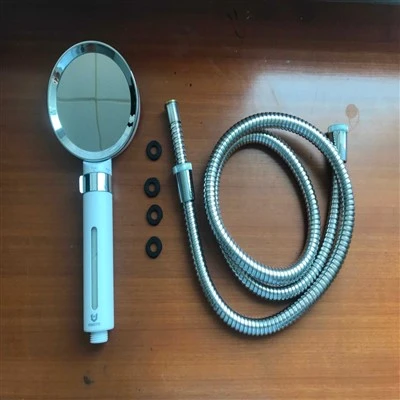
- Sensor - Based Inspection: Sensors can be used to measure various parameters such as temperature, pressure, and vibration in real - time. This is particularly useful for products like showers, where you can use sensors for Shower Inspection to ensure proper water flow and temperature control.
By investing in the right technology, you can increase the efficiency of your inspection process and reduce labor costs in the long term.
4. Collaborate with Your Supplier
If you're a buyer, working closely with your supplier can help you conduct cost - effective product inspection. Your supplier knows the product inside out and can provide valuable insights into the production process.
- Pre - Production Reviews: Have a meeting with your supplier before production starts to discuss the product specifications, inspection criteria, and any potential issues. This can help prevent problems from occurring during production and reduce the need for rework and reinspection.
- In - Process Inspection: Consider conducting in - process inspections at the supplier's facility. This way, you can catch any quality issues early on and avoid having to reject an entire batch of products later. For Production Pre Shipment Inspection, you can work with your supplier to ensure that all products are ready for shipping and meet the required standards.
5. Train Your Inspection Team
A well - trained inspection team is essential for cost - effective product inspection. They need to know how to use the inspection tools properly, understand the inspection criteria, and be able to make accurate decisions.
- Regular Training Sessions: Provide regular training to your inspection team to keep them updated on the latest inspection techniques and industry standards. This can improve their efficiency and reduce the likelihood of errors.
- Cross - Training: Consider cross - training your team members so that they can handle different types of inspections. This can give you more flexibility in your inspection process and ensure that you have enough staff to handle peak production periods.
6. Analyze Inspection Data
Collecting and analyzing inspection data can provide valuable insights into the quality of your products and the effectiveness of your inspection process.
- Identify Trends: Look for patterns in the inspection data, such as recurring defects or areas where products are consistently failing. This can help you identify the root causes of the problems and take corrective actions.
- Optimize the Inspection Process: Based on the data analysis, you can make adjustments to your inspection process to make it more efficient. For example, if you find that a certain inspection step is taking too much time without adding much value, you can consider removing or modifying it.
7. Evaluate and Update Your Inspection Plan Regularly
The market and product requirements are constantly changing, so it's important to evaluate and update your inspection plan regularly.
- Review Industry Standards: Keep an eye on any changes in industry standards and regulations that may affect your products. Update your inspection criteria accordingly to ensure that your products remain compliant.
- Assess Your Needs: As your business grows and your product portfolio changes, your inspection needs may also change. Regularly assess whether your current inspection plan is still meeting your requirements or if you need to make any adjustments.
In conclusion, conducting product inspection in a cost - effective way requires a combination of careful planning, the right methods, and the use of technology. By following the tips I've shared in this blog, you can reduce your inspection costs while still ensuring the quality of your products.


If you're interested in learning more about our product inspection services or have any questions about cost - effective inspection methods, I encourage you to reach out to us for a purchase negotiation. Let's work together to find the best solutions for your product inspection needs.
References
- Industry best practices on product inspection
- Case studies on cost - effective inspection methods