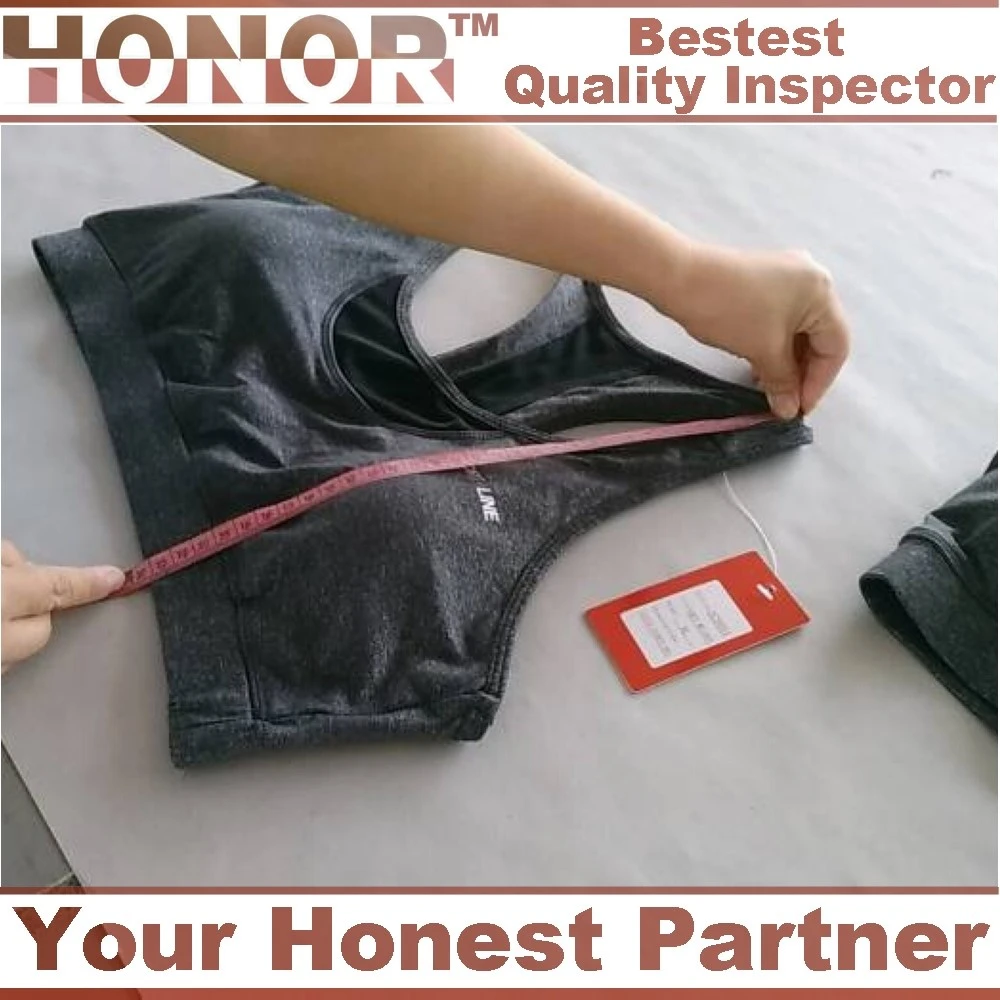
Camping has become an increasingly popular outdoor activity, attracting people of all ages to embrace nature and enjoy a break from the hustle and bustle of daily life. As a Commodity Inspection supplier, we play a crucial role in ensuring the safety, quality, and compliance of camping equipment. In this blog, we will delve into the inspection requirements for camping equipment, covering various aspects that are essential for both manufacturers and consumers.
1. General Safety Requirements
Safety is the primary concern when it comes to camping equipment. Our inspection process starts with a thorough assessment of the general safety features of the products. This includes checking for any sharp edges, protruding parts, or loose components that could pose a risk of injury to users. For example, tents should have smooth edges on poles and zippers that operate smoothly without jamming. Sleeping bags should be free from loose threads or small parts that could be swallowed by children.
We also pay close attention to the flammability of camping equipment. Tents, sleeping bags, and other fabric-based items should meet the relevant flammability standards. This is to prevent the spread of fire in case of an accidental ignition. Our inspectors use standardized testing methods to evaluate the flammability of materials, ensuring that they are safe for use in camping environments.
2. Structural Integrity
The structural integrity of camping equipment is vital for its functionality and durability. Tents, for instance, need to be able to withstand various weather conditions, including wind, rain, and snow. During the inspection, we examine the tent's frame structure, checking for proper assembly, strong joints, and sufficient tension. The fabric should be properly attached to the frame and able to resist tearing.
Similarly, camping chairs and tables should be able to support the weight of users without collapsing. We test the load-bearing capacity of these items to ensure that they meet the specified standards. For folding chairs, we check the locking mechanisms to ensure that they are secure and reliable.
3. Material Quality
The quality of materials used in camping equipment directly affects its performance and lifespan. We inspect the raw materials used in the manufacturing process to ensure that they are of high quality and suitable for outdoor use. For example, the fabric used in tents should be waterproof, breathable, and UV-resistant. Sleeping bags should be filled with high-quality insulation materials that provide adequate warmth.
We also check for any signs of material degradation or damage during the inspection. This includes looking for signs of mold, mildew, or discoloration on fabrics, as well as checking for rust or corrosion on metal components. By ensuring the quality of materials, we can help manufacturers produce camping equipment that is reliable and long-lasting.
4. Product Functionality
In addition to safety and structural integrity, the functionality of camping equipment is also an important aspect of the inspection. Tents should be easy to set up and take down, with clear instructions provided. The ventilation system in the tent should be effective, allowing for proper air circulation. Sleeping bags should be comfortable and provide the appropriate level of warmth for the intended temperature range.
Cooking equipment, such as stoves and grills, should be tested for proper ignition, flame control, and fuel efficiency. We also check for any gas leaks in gas-powered stoves to ensure the safety of users. Lighting equipment, such as lanterns and flashlights, should provide sufficient illumination and have a long battery life.
5. Compliance with Standards
Camping equipment is subject to various national and international standards, which are designed to ensure the safety and quality of the products. As a Commodity Inspection supplier, we are familiar with these standards and ensure that the camping equipment we inspect meets the relevant requirements. This includes standards related to safety, environmental protection, and product labeling.
For example, the European Union has specific regulations for the use of chemicals in consumer products, including camping equipment. We check for the presence of restricted substances, such as lead, mercury, and phthalates, to ensure that the products are safe for use. In addition, we also verify that the product labeling provides accurate and complete information, including the product name, model number, manufacturer's information, and safety instructions.
6. Different Types of Inspections
We offer a range of inspection services to meet the needs of our clients. These include:
- Pre Production Inspection: This inspection is carried out before the production process begins. It focuses on the raw materials, manufacturing processes, and quality control plans. By conducting a pre-production inspection, we can help identify any potential issues early on and ensure that the production process runs smoothly.
- In-process Inspection: This inspection is carried out during the production process. It involves checking the quality of the products at various stages of production, from the initial assembly to the final finishing. By conducting in-process inspections, we can detect and correct any quality issues before they become major problems.
- Production Full Inspection: This inspection is carried out after the production process is completed. It involves a comprehensive check of all the products in the batch to ensure that they meet the specified requirements. By conducting a full inspection, we can provide our clients with confidence that the products they are receiving are of high quality.
- Production Pre Shipment Inspection: This inspection is carried out before the products are shipped. It involves a final check of the products to ensure that they are in good condition and ready for shipment. By conducting a pre-shipment inspection, we can help prevent any potential issues from occurring during transit.
- Container Loading Supervision: This service involves supervising the loading of the products into the containers. We ensure that the products are loaded correctly and securely to prevent any damage during transit.
Conclusion
In conclusion, the inspection requirements for camping equipment are comprehensive and cover various aspects of safety, quality, and compliance. As a Commodity Inspection supplier, we are committed to providing our clients with high-quality inspection services to ensure that the camping equipment they produce or purchase meets the highest standards. If you are a manufacturer or a buyer of camping equipment and are looking for reliable inspection services, please contact us to discuss your specific needs. We look forward to working with you to ensure the safety and quality of your camping equipment.
References
- ASTM International. (n.d.). Standards for Camping Equipment. Retrieved from [Website URL]
- European Union. (n.d.). Regulations for Consumer Products. Retrieved from [Website URL]
- International Organization for Standardization (ISO). (n.d.). Standards for Outdoor Products. Retrieved from [Website URL]