When it comes to the pre - dispatch inspection process, encountering damaged products is an inevitable challenge. As a pre - dispatch inspection service provider, we understand the importance of handling such situations effectively to ensure customer satisfaction and maintain the integrity of the supply chain. In this blog, we will explore various strategies and steps to deal with damaged products found during pre - dispatch inspections.
Immediate Identification and Documentation
The first step in dealing with damaged products is to accurately identify them during the inspection. Our team of experienced inspectors is trained to conduct thorough checks using a variety of methods. For example, in Production Full Inspection, we inspect every single item in the batch to ensure its quality. During the inspection, if a damaged product is found, it is immediately separated from the non - damaged ones.
Documentation is crucial at this stage. We record detailed information about the damaged products, including the type of damage, the location where it was found, and the quantity. Photographs are also taken to provide visual evidence. This documentation serves multiple purposes. It helps the supplier understand the nature and extent of the problem, and it can also be used as a reference for future quality improvement initiatives.
Communication with the Supplier
Once the damaged products are identified and documented, the next step is to communicate with the supplier. We believe in maintaining open and transparent communication channels. Our inspectors provide the supplier with a detailed report of the inspection findings, including the information about the damaged products. This report is usually accompanied by the photographs and any other relevant evidence.
We encourage the supplier to share their perspective on the cause of the damage. It could be due to various factors such as poor manufacturing processes, improper handling during storage, or transportation issues. By having this dialogue, we can work together with the supplier to find a solution. For example, if the damage is caused by a problem in the manufacturing process, the supplier can take corrective actions to prevent similar issues in the future.
Evaluation of Repair or Replacement Options
After communicating with the supplier, we jointly evaluate the options for dealing with the damaged products. One option is to repair the damaged products. This is feasible when the damage is minor and can be fixed without significant cost or time. Our inspectors can assess whether the repair is possible and what the quality of the repaired product will be. If the repair is a viable option, the supplier can carry out the necessary repairs under our supervision.
Another option is to replace the damaged products. This is often the case when the damage is severe and the repair is not practical. The supplier needs to provide new products that meet the required quality standards. We will conduct a re - inspection of the replacement products to ensure that they are in good condition.
Impact on Delivery Schedule
Dealing with damaged products can have an impact on the delivery schedule. If the repair or replacement process takes a long time, it may cause delays. As an inspection service provider, we understand the importance of meeting the delivery deadlines. We work closely with the supplier to minimize the impact on the schedule.

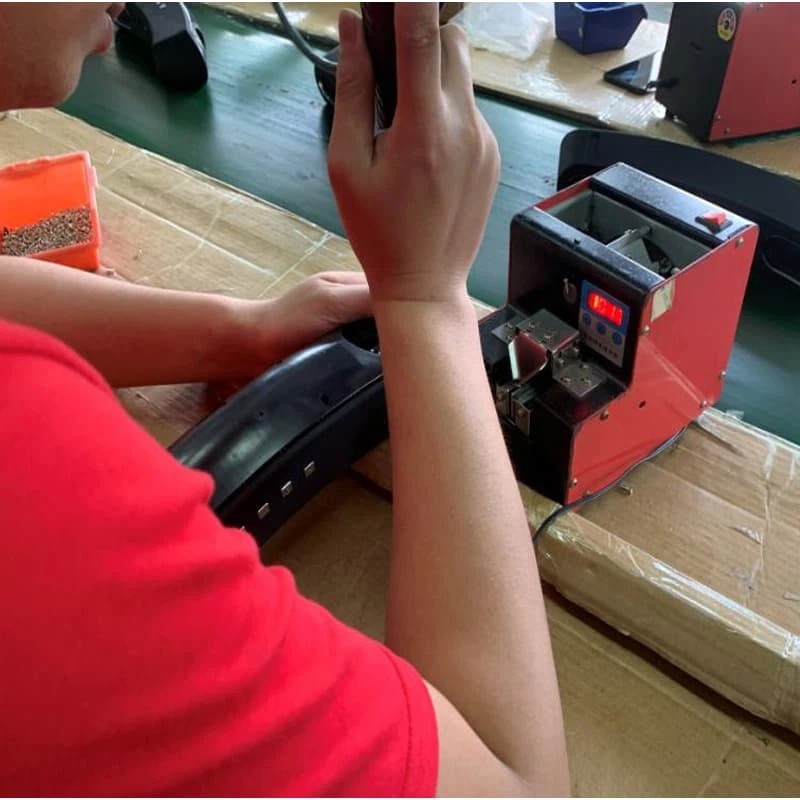
For example, if the supplier needs to replace the damaged products, we can help them prioritize the production of these items. In some cases, we may also suggest alternative shipping methods to expedite the delivery. Additionally, we keep the buyer informed about the situation and the expected delivery time so that they can make appropriate arrangements on their end.
Container Loading Supervision
Even after the damaged products are dealt with, we continue to play a role in ensuring the quality of the shipment. Container Loading Supervision is an important part of our service. We supervise the loading process to ensure that the products are loaded properly. This includes checking the stacking, securing, and protection of the products inside the container.
Proper loading can prevent further damage during transportation. Our inspectors make sure that the products are not over - stacked, and that there is enough cushioning and protection to avoid any impact damage. By providing container loading supervision, we add an extra layer of quality control to the supply chain.
In - process Inspection for Prevention
To reduce the occurrence of damaged products in the future, we also offer In - process Inspection. This type of inspection is carried out during the manufacturing process. By conducting in - process inspections at various stages, we can identify potential issues early on and take corrective actions before the products are completed.
For example, if we notice a problem with the raw materials during the in - process inspection, the supplier can address it immediately. This can prevent the production of defective products and ultimately reduce the number of damaged products found during the pre - dispatch inspection.
Conclusion
Dealing with damaged products found during pre - dispatch inspections requires a systematic approach. As a pre - dispatch inspection service provider, we are committed to helping our clients ensure the quality of their products. By following the steps of identification, communication, evaluation of options, and taking preventive measures, we can effectively handle the damaged products and minimize their impact on the supply chain.
If you are a buyer looking for reliable pre - dispatch inspection services, or a supplier aiming to improve the quality of your products, we are here to assist you. We have the expertise and experience to provide comprehensive inspection solutions. Contact us to start a discussion about how we can work together to meet your quality requirements.
References
- Quality Control in Manufacturing: Best Practices and Strategies. John Wiley & Sons, Inc.
- Supply Chain Management: A Global Perspective. Pearson Education.