
In the dynamic landscape of global trade, the objectivity of product inspection stands as a cornerstone for ensuring product quality, building trust with customers, and maintaining a competitive edge in the market. As a seasoned product inspection provider, I've witnessed firsthand the pivotal role that objective inspections play in the success of businesses across various industries. In this blog post, I'll share some valuable insights and strategies on how to ensure the objectivity of product inspection, drawing on my years of experience in the field.
Understanding the Importance of Objectivity in Product Inspection
Objectivity in product inspection refers to the ability to evaluate products based on established criteria and standards, free from bias, personal opinions, or external influences. An objective inspection process ensures that products meet the specified requirements, comply with relevant regulations, and are fit for their intended use. By maintaining objectivity, inspection providers can provide accurate and reliable results, which are essential for making informed decisions about product acceptance or rejection.
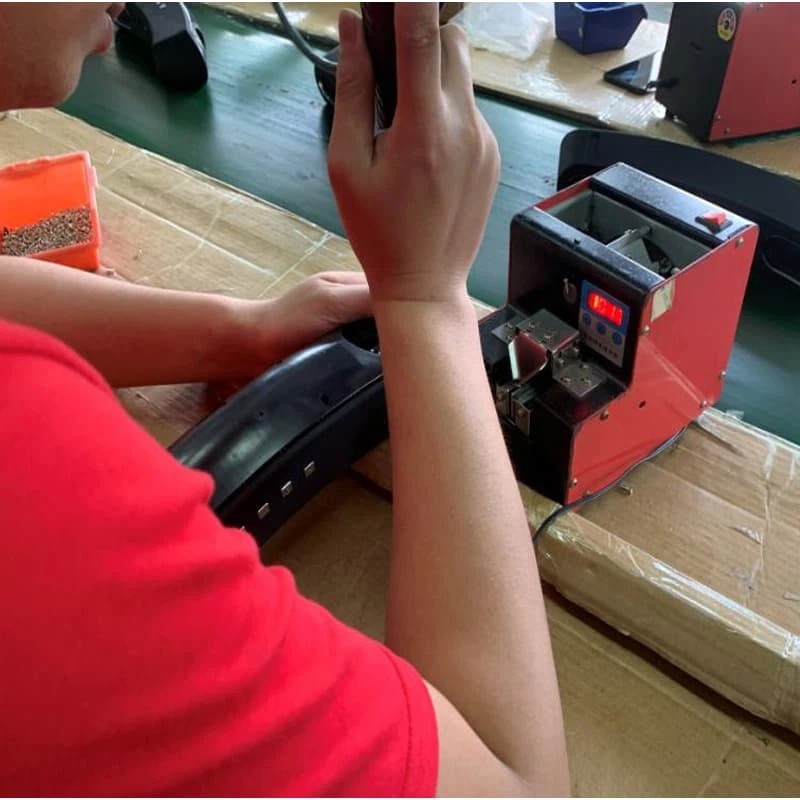

One of the primary benefits of objective product inspection is that it helps to minimize the risk of product defects and non - compliance. By conducting thorough and unbiased inspections, we can identify potential issues early in the production process, allowing manufacturers to take corrective actions before the products are shipped. This not only saves time and money but also helps to protect the reputation of the brand.
Moreover, objective inspections enhance transparency and trust between suppliers, manufacturers, and customers. When all parties involved in the supply chain have confidence in the inspection process, they are more likely to engage in long - term partnerships, leading to increased business opportunities and customer satisfaction.
Establishing Clear and Comprehensive Inspection Criteria
The first step in ensuring the objectivity of product inspection is to establish clear and comprehensive inspection criteria. These criteria should be based on industry standards, customer specifications, and relevant regulations. By defining the inspection parameters in advance, we can ensure that all inspectors are working from the same set of guidelines, reducing the potential for subjective interpretation.
For example, if we are inspecting electronic devices, the inspection criteria may include functional tests, performance measurements, and safety checks. Each test should have a specific pass - fail threshold, clearly defined in the inspection plan. This way, inspectors can make objective decisions based on the actual results of the tests, rather than relying on their personal judgment.
It's also important to regularly review and update the inspection criteria to reflect changes in industry standards, customer requirements, or technological advancements. This ensures that the inspection process remains relevant and effective over time.
Training and Qualifying Inspectors
Another critical factor in ensuring objective product inspection is the training and qualification of inspectors. Inspectors should have a deep understanding of the inspection criteria, as well as the necessary skills and knowledge to conduct accurate and reliable inspections.
At our company, we provide comprehensive training programs for our inspectors, covering topics such as product knowledge, inspection techniques, and quality control principles. Our inspectors are also required to obtain relevant certifications, such as ISO 9001 quality management system certification, to demonstrate their competence and professionalism.
In addition to technical training, we also emphasize the importance of ethical conduct and integrity in the inspection process. Inspectors are trained to remain impartial and unbiased, and to report their findings accurately and objectively, regardless of the outcome.
Using Standardized Inspection Procedures
Standardized inspection procedures are essential for maintaining objectivity in product inspection. By following a consistent set of steps and methods, we can ensure that all products are inspected in the same way, regardless of the inspector or the location of the inspection.
Our inspection procedures are carefully designed to cover all aspects of the product, from raw materials to finished goods. For example, in a Production Pre Shipment Inspection, we typically conduct a visual inspection, a functional test, and a packaging check. Each step of the inspection is documented in detail, including the inspection results, any deviations from the criteria, and the actions taken to address them.
We also use standardized inspection forms and checklists to ensure that all relevant information is captured during the inspection process. These forms and checklists help to streamline the inspection process, reduce the risk of errors, and provide a clear audit trail for future reference.
Leveraging Technology for Objective Inspections
In today's digital age, technology plays a crucial role in ensuring the objectivity of product inspection. We use a variety of advanced tools and equipment, such as automated testing machines, digital measuring devices, and imaging systems, to conduct accurate and reliable inspections.
For example, in an In - process Inspection, we can use sensors and monitoring systems to continuously collect data on the production process. This data can be analyzed in real - time to identify any trends or anomalies, allowing us to take proactive measures to prevent quality issues from occurring.
We also use software applications to manage the inspection process, from scheduling inspections to generating reports. These applications help to improve the efficiency and accuracy of the inspection process, as well as provide a centralized platform for storing and accessing inspection data.
Conducting Independent Audits and Reviews
To further ensure the objectivity of product inspection, we conduct independent audits and reviews of our inspection processes. These audits are typically performed by external third - party organizations or internal quality control teams, and they focus on evaluating the effectiveness of our inspection procedures, the competence of our inspectors, and the accuracy of our inspection results.
The audit findings are used to identify areas for improvement, and corrective actions are taken to address any issues or deficiencies. By regularly conducting independent audits and reviews, we can ensure that our inspection processes remain objective, reliable, and compliant with industry standards and regulations.
Maintaining Transparency and Communication
Transparency and communication are key to ensuring the objectivity of product inspection. We believe in keeping our clients informed throughout the inspection process, from the initial planning stage to the final reporting.
We provide our clients with detailed inspection reports, including the inspection results, any non - conformities found, and the recommended actions. These reports are accompanied by clear and concise explanations, as well as supporting documentation, such as photographs and test results.
We also encourage our clients to provide feedback on our inspection services, and we use this feedback to continuously improve our processes and services. By maintaining open and honest communication with our clients, we can build trust and confidence in our inspection services, and ensure that our clients are satisfied with the results.
Conclusion
Ensuring the objectivity of product inspection is a complex but essential task that requires a combination of clear criteria, trained inspectors, standardized procedures, advanced technology, independent audits, and transparent communication. As a product inspection provider, we are committed to upholding the highest standards of objectivity and professionalism in all our inspection services.
If you are a buyer or a manufacturer looking for reliable and objective product inspection services, we would be delighted to discuss your specific needs and requirements. Our team of experienced inspectors and quality control experts can provide you with comprehensive inspection solutions tailored to your business. Contact us today to start a conversation about how we can help you ensure the quality of your products and protect your brand reputation.
References
- ISO 9001:2015 Quality management systems - Requirements
- Various industry - specific standards and regulations relevant to product inspection


