
How can production monitoring help with quality control?
Hey there! I'm a supplier in the production monitoring field, and I'm super stoked to share with you how production monitoring can be a game - changer for quality control.

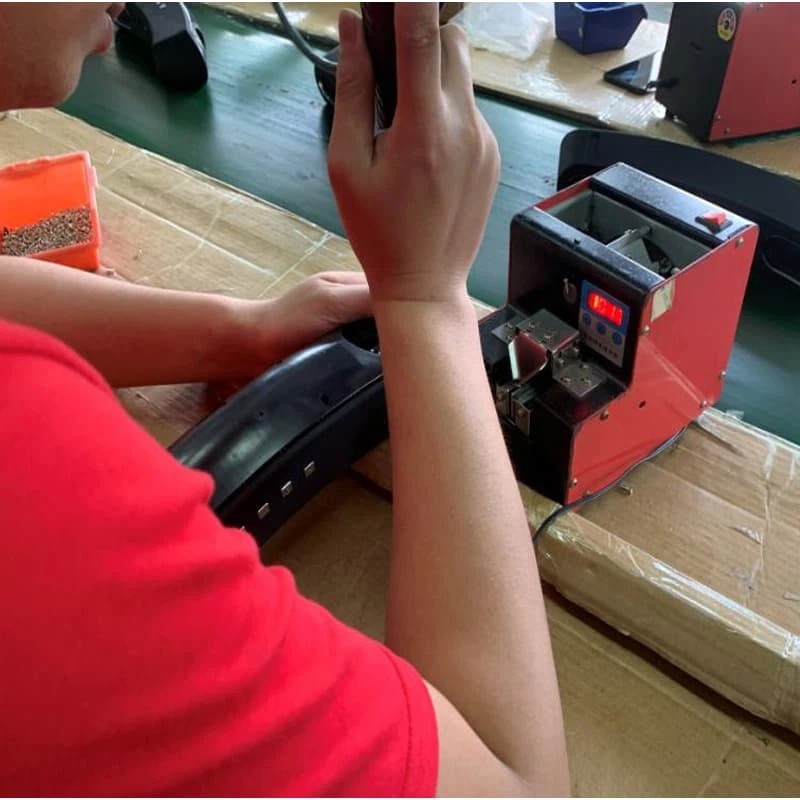
Let's start by understanding what production monitoring is all about. In simple terms, it's the process of keeping a close eye on every step of the production line. From the raw materials coming in to the finished product going out, production monitoring tracks and analyzes all the relevant data. This data can include things like production speed, machine performance, and the quality of the components being used.
One of the key ways production monitoring helps with quality control is by catching issues early. You know how in a game, if you spot a problem early, you have a better chance of winning? Well, it's the same in production. With continuous monitoring, we can detect any anomalies in the production process right away. For example, if a machine starts to produce parts that are slightly off - spec, the monitoring system will pick it up. This allows us to take corrective action before a whole batch of defective products is made.
Another great thing about production monitoring is that it provides real - time data. In today's fast - paced world, waiting for a batch to finish and then testing it just doesn't cut it. Real - time data means we can make adjustments on the fly. Say a sensor on a machine shows that the temperature is rising too high. We can immediately reduce the heat or shut down the machine to prevent any damage to the product. This kind of quick response can save a lot of time and money.
Now, let's talk about the different types of inspections that are part of production monitoring. First up is Production Full Inspection. This is when every single unit in a production batch is inspected. It's a very thorough way to ensure quality, but it can be time - consuming. However, with the right production monitoring tools, we can make this process more efficient. The monitoring system can flag any units that seem to have issues, so the inspectors can focus on those first.
Then there's Production Pre Shipment Inspection. This is done just before the products are shipped out. By this time, production monitoring has already been going on throughout the process. But a pre - shipment inspection gives one last check to make sure everything is in order. The data collected during production monitoring can be used to target specific areas for inspection. For example, if the monitoring showed that a certain part of the production line had some quality issues earlier, the pre - shipment inspection can pay extra attention to those products.
In - process Inspection is also an important part of production monitoring. This is done while the production is still going on. It helps to identify any problems as they occur, so that the production process can be adjusted immediately. For instance, if the in - process inspection shows that the quality of a particular component is dropping, we can stop the production line, find out what's wrong, and fix it.
Production monitoring also helps with quality control by providing historical data. This data can be used to identify trends over time. For example, if we notice that there are more quality issues on certain days of the week or at certain times of the day, we can look into the reasons behind it. Maybe it's because the workers are tired or the machines need more maintenance during those times. By analyzing this historical data, we can make long - term improvements to the production process.
Moreover, production monitoring can improve communication between different departments in a manufacturing company. The data collected can be shared easily between the production, quality control, and engineering teams. This means that everyone is on the same page and can work together to solve any quality - related problems. For example, if the quality control team notices a pattern of defects, they can share this information with the engineering team, who can then come up with a solution to fix the root cause.
Another benefit of production monitoring is that it can help with compliance. Many industries have strict quality standards and regulations. Production monitoring ensures that the products being made meet these standards. By keeping detailed records of the production process, it's easier to prove compliance in case of an audit.
In addition, production monitoring can lead to cost savings. When quality issues are caught early, there's less waste. Fewer defective products mean less money spent on rework or scrap. Also, by optimizing the production process based on the data collected, we can reduce energy consumption and improve overall efficiency.
So, if you're in the manufacturing business and you're looking to improve your quality control, production monitoring is definitely the way to go. It's a powerful tool that can make your production process more efficient, reduce costs, and ensure that you're delivering high - quality products to your customers.
If you're interested in learning more about how our production monitoring solutions can help your business, I'd love to have a chat with you. Whether you're a small - scale manufacturer or a large - scale enterprise, we have the expertise and tools to meet your needs. Reach out to us to start a conversation about how we can work together to take your quality control to the next level.
References
- General knowledge in the field of production monitoring and quality control.
- Industry reports on the benefits of production monitoring for quality control.


