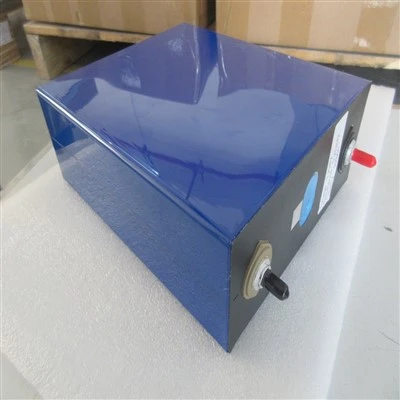
Hey there! As a supplier specializing in Production Full Inspection, I've got a bunch of insights to share on how to handle the inspection of high-value products during production full inspection. High-value products are a whole different ballgame compared to regular ones. They come with a higher price tag, which means there's a lot more at stake when it comes to quality control.
First off, let's talk about why high-value products need extra attention during production full inspection. These products often have complex features, advanced technology, or premium materials. A single defect could lead to significant financial losses, damage to the brand reputation, and even legal issues. So, it's crucial to have a solid inspection process in place.
Planning the Inspection
Before you even start the inspection, you need to have a well-thought-out plan. This plan should cover everything from the inspection criteria to the tools and equipment you'll need. For high-value products, the inspection criteria are usually more stringent. You'll need to define what constitutes a defect and what's considered acceptable quality.
For example, if you're inspecting luxury watches, you might have strict criteria for the accuracy of timekeeping, the finish of the watch case, and the quality of the straps. These criteria should be clearly communicated to your inspection team so that everyone is on the same page.
Another important aspect of planning is to determine the sampling method. In some cases, you might need to conduct a 100% inspection of high-value products. However, if that's not feasible, you'll need to use a sampling plan that provides a reasonable level of assurance. There are different sampling methods available, such as random sampling and stratified sampling. The choice of method depends on the nature of the product and the level of risk involved.
Preparing the Inspection Team
Your inspection team is the backbone of the production full inspection process. They need to be well-trained, experienced, and equipped with the right skills and knowledge. For high-value products, it's essential to have inspectors who are familiar with the specific features and requirements of the products.
Training should cover not only the technical aspects of the inspection but also the importance of attention to detail and the ability to make accurate judgments. Inspectors should be able to identify different types of defects, from minor cosmetic issues to major functional problems. They should also be trained on how to use the inspection tools and equipment effectively.
In addition to technical training, it's also important to instill a sense of responsibility and professionalism in the inspection team. They should understand the impact of their work on the overall quality of the products and the reputation of the company.
Using the Right Tools and Equipment
High-value products often require specialized tools and equipment for inspection. These tools can range from simple measuring instruments to sophisticated testing machines. For example, if you're inspecting high-end electronics, you might need to use oscilloscopes, multimeters, and thermal imaging cameras to check for electrical performance and heat dissipation.
It's important to ensure that the tools and equipment are calibrated regularly to maintain their accuracy. You should also have a backup plan in case of equipment failure. This could involve having spare parts on hand or having a service contract with the equipment supplier.
Conducting the Inspection
Once you've planned the inspection, prepared the team, and gathered the tools and equipment, it's time to start the actual inspection. The inspection process should be systematic and thorough. You should follow the inspection plan and criteria closely to ensure that all aspects of the product are checked.
During the inspection, it's important to document any defects or issues that are found. This documentation should include detailed descriptions of the defects, the location where they were found, and the severity of the problems. You can use a checklist or an inspection report form to record this information.
If a defect is found, you need to decide on the appropriate course of action. This could involve reworking the product, rejecting it, or conducting further testing. The decision should be based on the severity of the defect and the impact it will have on the functionality and appearance of the product.
Post-Inspection Follow-Up
After the inspection is complete, it's important to follow up on any issues that were identified. This could involve working with the production team to address the defects, providing feedback to the supplier, or implementing corrective actions to prevent similar issues from occurring in the future.
You should also review the inspection results to identify any trends or patterns. This can help you to improve the inspection process and the overall quality of the products. For example, if you notice that a particular type of defect is occurring frequently, you might need to adjust the production process or the inspection criteria.


Communicating with the Client
Throughout the production full inspection process, it's important to keep the client informed. You should provide regular updates on the progress of the inspection, any issues that have been found, and the actions that are being taken to address them. This communication can help to build trust and confidence with the client.
You should also be prepared to answer any questions or concerns that the client might have. This could involve providing additional information about the inspection process, the results, or the quality control measures that are in place.
Conclusion
Handling the inspection of high-value products in production full inspection is a challenging but rewarding task. By following the steps outlined above, you can ensure that the products meet the highest quality standards and that any defects are identified and addressed before they reach the market.
If you're in the market for Production Full Inspection services for your high-value products, I'd love to have a chat with you. We've got the experience, expertise, and resources to handle your inspection needs effectively. Just reach out to start the conversation and let's work together to ensure the quality of your products.
References
- ISO 9001:2015 Quality management systems — Requirements
- ASTM International Standards for Product Inspection
- ASQ Quality Glossary - Inspection and Testing