Ensuring the consistency of production full inspection across different batches is a crucial challenge for any Production Full Inspection supplier. As someone deeply involved in this industry, I've faced my fair share of hurdles and found some effective strategies to tackle this issue. In this blog, I'll share my insights on how we, as a Production Full Inspection supplier, can maintain that all - important consistency.
Understanding the Basics of Production Full Inspection
First off, let's quickly go over what Production Full Inspection is. It's a comprehensive check that we conduct on every single unit in a production batch. This is different from sampling inspection, where only a portion of the products is inspected. You can learn more about it here.
The goal of Production Full Inspection is to catch any defects or non - conformities before the products reach the end - user. This not only helps in maintaining high - quality standards but also saves a lot of hassle and cost that could arise from product recalls or customer complaints.
Challenges to Consistent Full - Batch Inspections
There are several factors that can throw a wrench in the works when it comes to ensuring consistency across different batches.
Variations in Production Processes
Each batch might be produced under slightly different conditions. Maybe the raw materials used have a bit of variation, or the production equipment has been adjusted. These small changes can lead to differences in the final products, making it harder to have a consistent inspection process.
Human Error
Inspectors are human, and they can make mistakes. Fatigue, distractions, or lack of proper training can all lead to inconsistent inspection results. For example, an inspector might miss a small defect one day but catch it the next, depending on their state of mind.
Inconsistent Inspection Criteria
Over time, the criteria for what is considered a defect can change, either due to new industry standards or client requirements. If these changes aren't communicated properly to the inspection team, it can result in inconsistent inspections across batches.
Strategies for Ensuring Consistency
Standardize Inspection Procedures
One of the most important steps is to create a detailed and standardized inspection procedure. This should cover everything from how to handle the products during inspection to the exact methods for checking different aspects, like dimensions, appearance, and functionality.
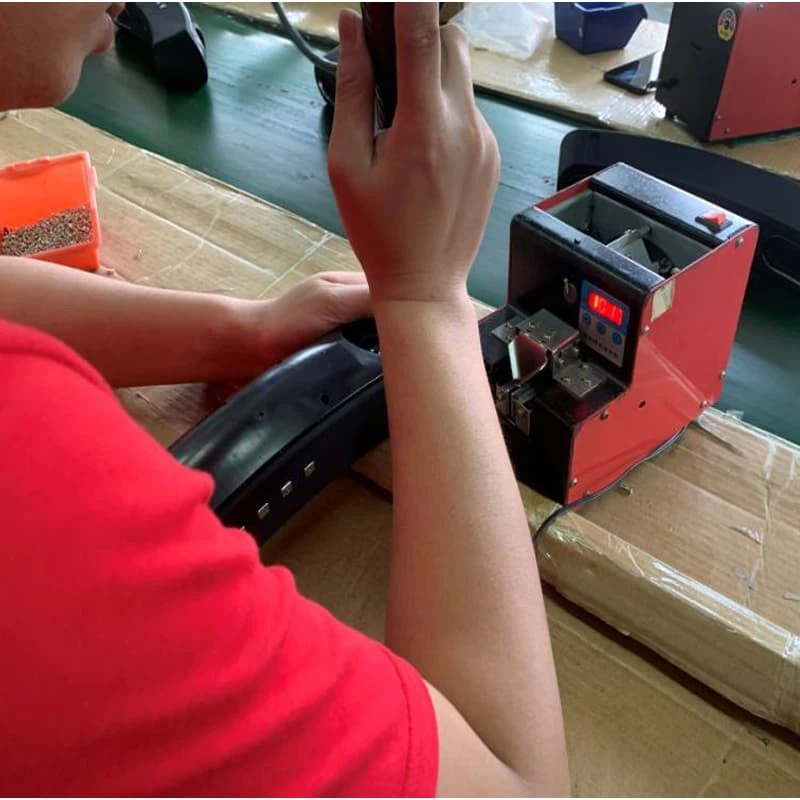

For example, we can create a step - by - step guide for inspectors to follow. They can refer to this guide during each inspection to make sure they are doing everything correctly. Also, we should update this procedure regularly to reflect any changes in the industry or client needs.
Regular Training and Skill Development
Investing in the training of our inspection team is crucial. We should provide regular training sessions to keep them updated on the latest inspection techniques and the changes in the inspection criteria. You can take a look at In - process Inspection to get an idea of how continuous learning can be integrated into the inspection process.
Training can also include simulations and practical exercises to help inspectors improve their skills. For instance, we can set up a mock production line with intentionally defective products for them to practice on. This way, they can get more familiar with different types of defects and how to identify them accurately.
Use of Technology
In today's digital age, we have access to a lot of advanced technologies that can help us with consistent inspections. For example, automated inspection machines can be programmed to perform the same checks on every product in a batch. These machines are not affected by fatigue or distractions, so they can provide more consistent results compared to human inspectors.
We can also use software to manage the inspection data. This software can record all the inspection results for each batch, make it easier to track trends, and identify any areas where the inspection process might need improvement.
Quality Control Checks Before Production
Before starting production for a new batch, it's essential to conduct a Pre Production Inspection. This helps in identifying any potential issues with the raw materials, production equipment, or the production process itself. You can learn more about it here.
By addressing these issues early on, we can ensure that the products in the new batch are more likely to meet the quality standards, which in turn makes the full inspection process more consistent.
Establish a Feedback Loop
We need to create a system where inspectors can provide feedback on the inspection process. If they notice any difficulties or inconsistencies during the inspection, they should be able to report it immediately. This feedback can be used to make improvements to the inspection procedure, adjust the training program, or even change the production process if necessary.
Real - World Application
Let me share an example from our own experience. We had a client who was producing electronic devices. They were facing a high rate of customer returns due to some hidden defects that were not being caught during the inspection process.
We analyzed the situation and found that the inspection criteria were not well - defined, and the inspectors were not getting enough training on the new features of the devices.
We first standardized the inspection procedure, clearly defining what constituted a defect for each type of issue. Then, we provided comprehensive training to our inspectors, including hands - on practice with the new devices. We also introduced an automated inspection machine to check for some of the more technical aspects.
As a result, the defect rate dropped significantly, and the client was very satisfied with the consistent quality of the inspected products across different batches.
Reaching Out to You
If you're a procurement manager or involved in the purchasing process, and you're looking for a reliable Production Full Inspection supplier, we'd love to talk to you. Ensuring consistent quality across batches is our top priority, and we have the experience and strategies to make it happen. Drop us a line to start a discussion about how we can work together to meet your quality requirements.
References
- Various industry reports on quality control in manufacturing.
- Internal records and case studies from our company's Production Full Inspection projects.